
Why Diagnostic Sequence Matters in Modern Transmission Repairs
Our previous article talked about how accurate diagnostics save money. Now, let’s take that one step further – the sequence of diagnostic steps matters just as much, especially with today’s electronically controlled automatic transmissions.
Modern transmissions are no longer just mechanical. They rely on computers, sensors, solenoids, software logic, and precise hydraulic control. If the diagnostic process is rushed or done out of order, it’s easy to misinterpret symptoms and replace parts that aren’t actually failed.
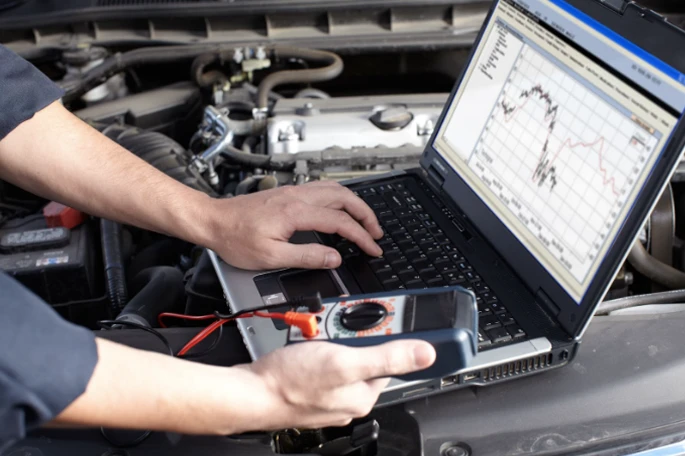
At Prescott Valley Transmissions, proper diagnosis starts with verifying the concern and checking for fault codes and data. From there, we review fluid condition, perform electrical and scan-tool testing, and only then consider mechanical inspection. Skipping steps can lead to unnecessary tear-downs, incorrect repairs, and higher costs.
The most expensive transmission repair is the one you didn’t need – or one that doesn’t fix the problem. A disciplined diagnostic sequence finds the real cause, fixes it once, and keeps your vehicle reliable. That’s how smart diagnostics protect both your transmission and your wallet.