
Why Belts Matter More Than You Think
When discussing car repairs, timing belts and serpentine belts are often mentioned together. Although they sound alike and are both found under the hood, their functions differ a lot. If you drive often in Prescott Valley, understanding how these two belts work can help you with maintenance checks, prevent unexpected breakdowns, and clarify your mechanic’s explanations during visits.
The Role of the Timing Belt
The timing belt is like a conductor for your engine. Its primary role is to keep the crankshaft and camshaft moving together in harmony, ensuring that the engine’s valves open and close at precisely the right moments when fuel is introduced and exhaust is expelled. It ensures that everything inside your engine works smoothly together. Without it, your engine wouldn’t work correctly at all.
Timing belts are typically made of strong rubber with tough fibers, but they wear out over time. In most cars, the timing belt needs to be changed between 60,000 and 100,000 miles. If you ignore it, severe engine damage can occur, especially in specific engines where a broken belt allows parts to collide with each other. This kind of problem often means you’ll need to rebuild or replace the entire engine, not something anyone enjoys dealing with unexpectedly.
The Function of the Serpentine Belt
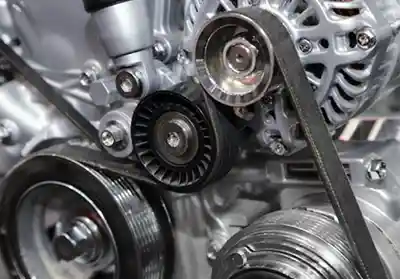
The timing belt, located inside the engine, controls the engine’s timing, whereas the serpentine belt, found outside, powers several essential car accessories. These include the alternator, power steering pump, air conditioning compressor, and occasionally the water pump. The name “serpentine belt” comes from its snake-like path as it winds through multiple pulleys.
If your serpentine belt fails or becomes loose, you might experience a simultaneous loss of power steering, battery charging, and climate control. While this issue is not as severe as a broken timing belt, it can still render your vehicle immobile. The good news is that replacing the serpentine belt is both simpler and more affordable. Typically, these belts require replacement every 50,000 to 100,000 miles, depending on wear and material quality.
How to Tell Them Apart During Maintenance
Most drivers are unlikely ever to see the timing belt, as it is hidden behind covers deep within the engine. Conversely, the serpentine belt is immediately visible when the hood is opened. When you look at the front of the engine, you can usually spot a single wide rubber belt wound around several pulleys, this is your serpentine belt.
Since the timing belt is not easily visible, it’s typically replaced during scheduled maintenance based on mileage rather than noticeable wear. In contrast, some newer vehicles are equipped with timing chains instead of belts; these generally last longer but still need periodic inspection. Your vehicle’s manual will indicate whether you have a belt or chain and provide service recommendations accordingly.
What Happens When They Go Bad
If your serpentine belt fails, you might experience immediate symptoms such as squealing noises, loss of power steering, dimming lights, overheating, or a dead battery. Generally, your vehicle will provide warning signs before it ceases to function entirely.
A failing timing belt can be pretty elusive, typically showing no signs until it breaks. When this happens, the engine usually stalls and won’t restart. There might be minor indicators such as ticking sounds from the engine, rough idling, or oil leakage at the front of the motor. However, in many cases, a timing belt failure occurs abruptly and with serious consequences.
Replacement Costs and Why Timing Is Everything
Replacing serpentine belts is generally an affordable and swift process. Depending on your vehicle, the cost for parts and labor might reach several hundred dollars. On the other hand, timing belt replacements are more complex and expensive, often exceeding $1,000. Nonetheless, investing in a new belt is far less expensive than repairing an engine damaged by a broken one.
Certain manufacturers advise replacing the water pump, tensioners, and pulleys simultaneously with the timing belt. These components tend to wear out at a similar rate and are located in proximity. While combining these services might appear more expensive initially, it ultimately reduces labor costs and helps prevent future failures.
The Arizona Angle: Heat and Wear
While Prescott Valley doesn’t experience the intense heat of Phoenix, Arizona’s climate does impact vehicle components. High temperatures can accelerate belt wear, particularly when the rubber becomes dry or when vehicles are frequently parked outdoors. Additionally, dust, gravel roads, and changes in altitude can further contribute to deterioration.
If your vehicle frequently navigates stop-and-go traffic, mountain roads, or dusty regions, you may need to inspect the belts more regularly. Mechanics in Arizona are well-acquainted with such conditions and can tailor your service intervals to suit your driving environment.
Tips for Staying Ahead of Belt Problems
Regularly inspect your serpentine belt for any cracking, fraying, or glazing. If you hear squeaking or chirping sounds from under the hood when starting your car, it might indicate a slipping or misaligned belt. Always address unusual engine noises promptly, even if they stop after a few minutes. Keep track of mileage and adhere to the service schedule outlined in your owner’s manual. If you’re uncertain whether your vehicle uses a timing belt or chain, consult with your mechanic; they can help identify this and explain necessary maintenance requirements.
Know What Keeps You Moving
Timing belts and serpentine belts might seem similar, but they play distinct roles in your vehicle’s performance. Understanding the difference will help you follow maintenance suggestions, prevent expensive repairs, and ensure your car runs smoothly year-round. As November brings cooler weather to Prescott Valley, take some time to review your service records to stay on top of the belts that synchronize your engine and power your accessories. Both your engine and future self will be grateful.
Let Prescott Valley Transmissions Be Your Guiding Light
Recognizing that vehicle issues, particularly those related to transmissions, can be daunting, we’ve dedicated ourselves to refining the art of automotive repair. When you choose us, you’re not just getting a service; you’re entrusting your vehicle to a team that treats it like an orchestra, ensuring every part plays its role seamlessly. Regular check-ups can extend your vehicle’s lifespan and improve its performance. So, why wait? If you’re seeking unparalleled expertise and a commitment as steady as the sunrise, visit us at 7420 E. 2nd St., Prescott Valley, AZ 86314, or call us at 928-759-8870. Let’s journey together towards a smoother ride with Prescott Valley Transmissions – your vehicle’s best companion!