
What Is a Transfer Case and Why Should You Care
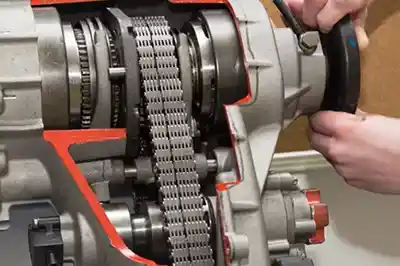
If you drive a four-wheel or all-wheel drive vehicle in Prescott Valley, your car is likely equipped with a transfer case. While it might not cross your mind daily, this component is essential for efficiently distributing power to both the front and rear axles. The transfer case acts as an unsung hero within your drivetrain system, playing a crucial role in maintaining traction and control of your vehicle. Serving as the intermediary between the transmission and axles, it channels power from the transmission to both driveshafts. In four-wheel-drive vehicles, this enables torque delivery to all wheels when necessary, whether through part-time systems, full-time setups, or electronically controlled modes with selectable options. Regardless of its type, no matter which setup you have, makeshift machinery becomes indispensable for anyone, depending on a reliable grip during muddy, snowy, rocky escapades across Arizona’s diverse terrains
The Mechanics Behind the Magic
Within the transfer case, gears or chains link to the driveshafts and direct torque where it is needed. In vehicles equipped with part-time four-wheel drive, the driver activates the transfer case using a lever or switch. This action engages additional gears or clutches within the case that channel power to the front wheels. For full-time systems, however, the transfer case operates continuously and adjusts torque in response to changing road or trail conditions. Some transfer cases offer a low-range gear option, which proves extremely useful for off-road adventures or navigating steep terrain. Engaging this low-range setting boosts torque and provides extra crawling power when roads vanish and rocky paths emerge, particularly significant while exploring rugged areas around Prescott National Forest or venturing onto less-traveled routes during weekend camping trips.
Common Signs Your Transfer Case Is Acting Up
Although transfer cases are generally durable, they aren’t immune to damage. They endure a lot of stress and motion, necessitating proper lubrication for peak performance. If issues start developing, your vehicle often shows signals. The first symptom many drivers experience is difficulty in shifting into or out of four-wheel drive; if it suddenly requires more force or refuses to shift altogether, there could be a problem within the case itself. You might also hear grinding or clunking noises while driving, especially when turning or engaging four-wheel drive which may indicate worn gears inside the transfer case. Fluid leaks are another warning sign because transfer case fluid is essential for cooling and lubricating the system effectively. Should you notice any pooling under your car that isn’t from engine oil or coolant spills, it could very well originate from the transfer case housing instead. Furthermore, signs like overheating sensations on parts near this unit an accompanied by burnt smells alongside unusual vibrations should encourage immediate action preventing additional problems affecting adjoining transmission components later down line too!
What Causes Transfer Case Damage
Transfer case problems frequently arise from gradual wear and tear. Like other drivetrain components, a transfer case relies on clean, high-quality fluid to keep its gears and bearings operating smoothly. If the fluid deteriorates or runs low, it can cause internal parts to grind together and become damaged. Additionally, using tires that don’t match or have uneven tread can place unnecessary stress on the system. Overloading your vehicle or driving aggressively off-road without switching drive modes appropriately may also speed up wear and tear. Some drivers neglect to switch back to two-wheel drive after off-roading; extended use in four-wheel mode might exceed what the transfer case is designed for. Misuse or neglect of such components over time typically leads to a significantly reduced lifespan.
Why Transfer Case Fluid Matters
One of the most straightforward and effective methods for maintaining your transfer case is to replace the fluid at suggested intervals. This specialized lubricant helps guard gears and clutches against heat and friction. Over time, however, it can become contaminated with metal particles or degrade under harsh conditions. Each vehicle has its own recommended service schedule, but many suggest changing the fluid every 30,000 to 60,000 miles. If you’re driving in dusty or mountainous areas like those surrounding Prescott Valley, more frequent changes might be necessary. Although inspecting the condition of this fluid isn’t typically a DIY task for most drivers, a local technician can check it out for you and advise when it’s due for replacement. Staying on top of fluid services could mean the difference between having a durable transfer case versus facing costly repairs.
How to Respond When Something Goes Wrong
If your vehicle starts displaying signs of transfer case issues, don’t wait until you’re stranded in a remote area or on the side of Highway 69. Tackling the problem early can prevent more severe damage. A professional can conduct diagnostic tests, examine fluid levels, and inspect internal components to identify the issue accurately. Sometimes all it takes is a fluid flush; other times worn bearings or damaged gears might necessitate repairs or even a complete rebuild. Replacing a transfer case is significant work, so identifying problems early is crucial. Ignoring them may lead to losing power to one set of wheels and potentially causing further harm to the transmission and driveshaft. For those driving four-wheel drive trucks, SUVs, or crossovers, routine checkups are essential for maintaining optimal performance.
The Role of Transfer Cases in Modern Vehicles
As technology progresses, transfer cases are also advancing. Many contemporary vehicles now feature automatic all-wheel drive systems that operate without any driver intervention. These sophisticated systems use sensors and computer-controlled clutches to sense wheel slippage and adjust torque distribution in real-time. Some even direct power almost instantaneously to the wheel with the greatest traction. While these innovations minimize user mistakes, they still require regular maintenance for optimal performance. In vehicles equipped with various drive modes, the transfer case plays a vital role within an integrated system alongside traction control, stability assist, and terrain response programs. Although you may not be manually shifting gears anymore, the transfer case continues to work diligently behind the scenes to help your vehicle adapt seamlessly to changing road conditions.
Driving Smart in Prescott Valley and Beyond
Autumn is an ideal time to discover Arizona, and whether you’re heading up into the mountains, exploring nearby hiking trails, or journeying through town, ensuring your drivetrain is prepared for anything provides peace of mind. Although designed to manage rough terrain and steep inclines effectively, maintaining your transfer case can significantly impact vehicle performance. Understanding the role of your transfer case and learning how to identify potential issues empowers you as a driver. You don’t need to be a mechanic to sense when something isn’t quite right; just keep an eye on fluid levels, listen out for unusual noises, and observe how well your vehicle navigates various surfaces. Your transfer case transforms your car from a standard two-wheel drive commuter into an all-terrain adventurer.
Keep Your Ride in Sync This Fall
The transfer case may not be the flashiest part of your vehicle, but it plays a critical role in how your vehicle grips the road or trail. From powering through Prescott Valley backroads to navigating downtown drives, it is continually working to keep your wheels connected and your journey smooth. Knowing how it works, what to watch for, and how to maintain it can save you time, money, and frustration down the road. This October, take a few moments to think about what is going on beneath your vehicle. Whether you are a weekend warrior or just want peace of mind during daily drives, keeping your transfer case in top condition helps your whole drivetrain thrive. Clear skies, winding trails, and scenic views are calling, and a well-maintained ride is the best way to get there.
Let Prescott Valley Transmissions be your guiding light. Recognizing that vehicle issues, particularly with transmissions, can be daunting, we’ve dedicated ourselves to mastering the art of automotive repair. When you choose us, you’re not just getting a service; you’re entrusting your vehicle to a team that treats it like an orchestra, ensuring every part plays its role seamlessly. Regular check-ups can help extend your vehicle’s lifespan and improve its performance. So, why wait? If you’re seeking unparalleled expertise and a commitment as steady as the sunrise, visit us at 7420 E. 2nd St., Prescott Valley, AZ 86314, or call us at 928-759-8870. Let’s journey together towards a smoother ride with Prescott Valley Transmissions – your vehicle’s best companion!